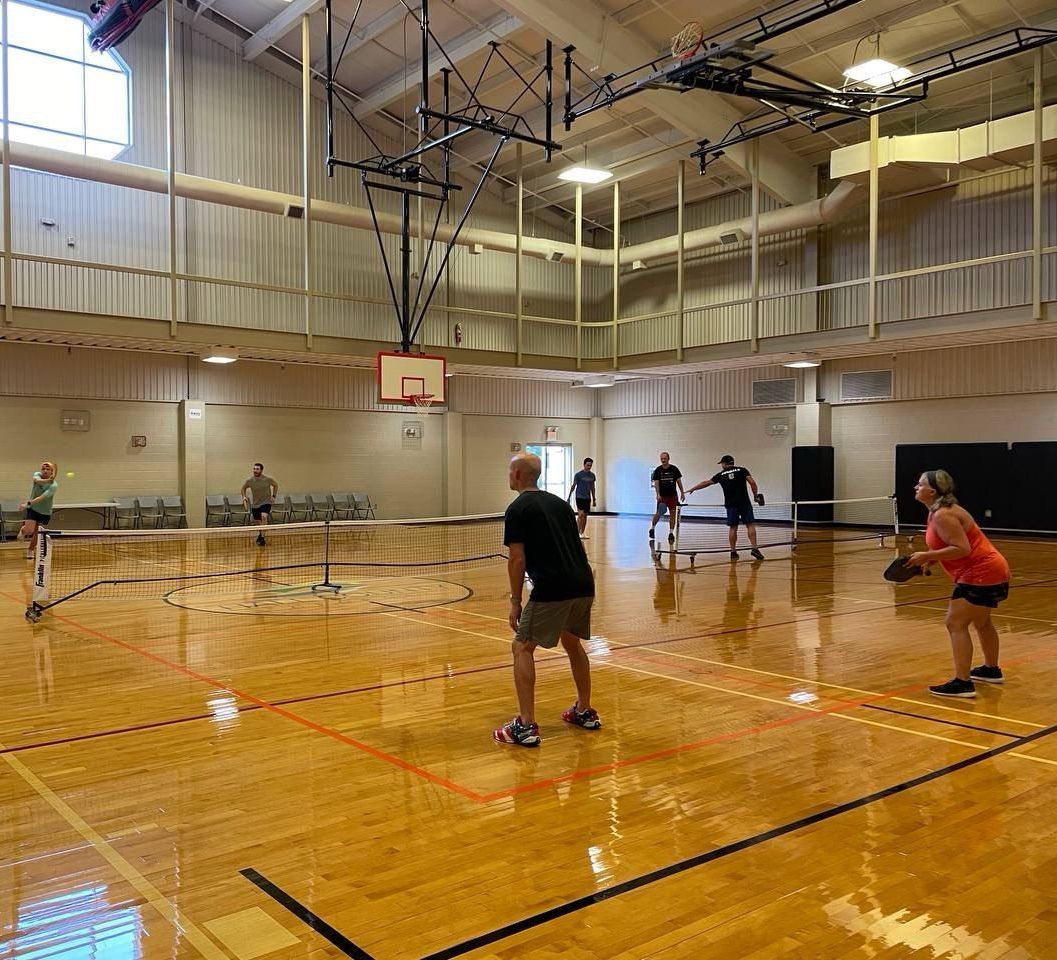
Pickleball, a sport that combines elements of tennis, badminton, and ping pong, has surged in popularity in recent years. As many as 36 million adults have played in the last year in over 10,000 locations across America. While most players are 34 years old or less, over 40% are 35 years old and older — increasing the risk of injury. Combining tennis, badminton, and ping pong, this recently trending sport is fun, family-friendly, and social.
6 Common Pickleball Injuries
While pickleball is much safer than contact and strenuous sports, you can still get hurt. Here, we share the injuries that are most likely to occur during a heated game.
Pickleball Elbow
Yes, you heard that right. Pickleball elbow is a more casual way to refer to lateral epicondylitis. The combination of grasping your paddle and twisting your hand to get those hard-to-reach balls can lead to small tears in the tendons that attach the muscles in your forearm to your elbow.
A few telltale signs predict a diagnosis. You might have this condition if you’re experiencing pain outside your elbow, a weakened grip, or discomfort when you flex your arm.
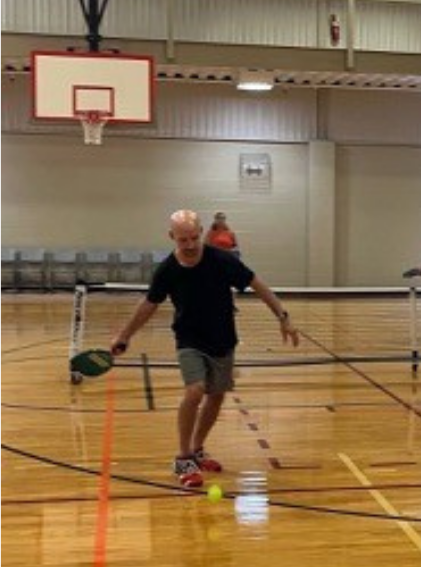
Lateral epicondylitis is usually treated conservatively. Rest, ice, physical therapy, and over-the-counter anti-inflammatory medications and pain relievers often help. In some cases, patients need to see an orthopedic surgeon to discuss surgery. Seeking treatment or starting physical therapy as soon as you notice problems is the best way to prevent surgery.
Wrist Injuries
Wrist injuries also occur frequently. Most wrist injuries sustained during pickleball are the result of trips and falls. If you try to break your fall onto a concrete court with your arm or hand, you can strain, sprain, or even fracture your wrist.
If you’ve fallen while playing pickleball, it’s important to monitor for signs that a doctor’s visit is warranted. Visual deformity, significant bruising or swelling, inability to move your wrist, hand, or finger, or discomfort that doesn’t improve should prompt you to schedule an appointment.
Treatment for wrist injuries depends on the diagnosis and severity. Strains and sprains might be treated with rest, ice, over-the-counter medications, and braces. Fractures may require emergency treatment and even surgery. In almost all cases, physical therapy can be especially helpful as you work toward healing and getting back onto the court.
Rotator Cuff Injuries
Overuse and repetitive movements can cause shoulder and rotator cuff problems. Some of those issues include impingement, tendonitis, inflammation, and rotator cuff tears.
Indications of a shoulder injury vary greatly depending on the specific concern. Any pain or stiffness should be investigated. Other symptoms to keep an eye out for include weakness, limited range of motion, popping, visual deformity, or a loose feeling in your shoulder joint. All of these problems require prompt attention.
Rotator cuff injuries and other shoulder issues can be resolved with physical therapy, ice, rest, medication, and sometimes surgery. A home exercise program provided by a qualified physical therapist can help you prevent surgery and associated risks.
Ankle Sprains
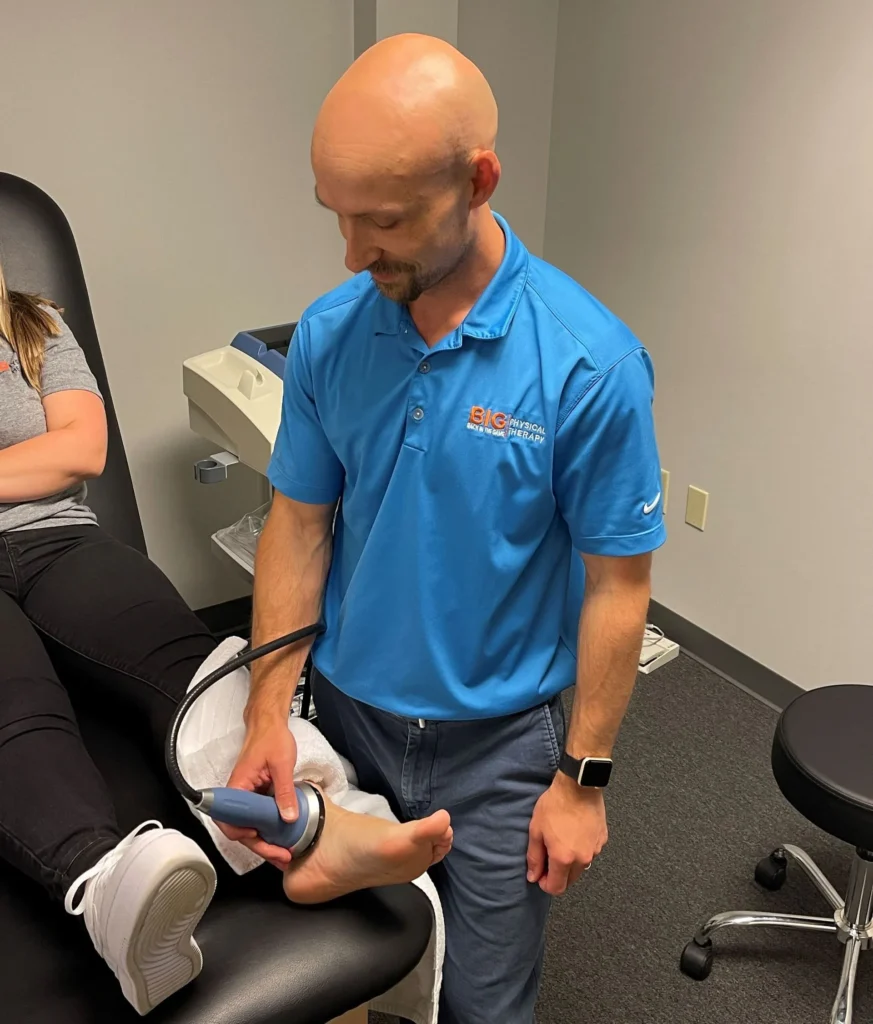
You can sprain your ankle while playing pickleball. Sprains occur when you twist or roll your ankle the wrong way, stretching or tearing the ligaments that connect the bones in your ankle.
You might have sprained your ankle if:
- it hurts to bear weight on your foot
- it hurts to touch
- it’s bruised or swollen
- you can’t move your ankle the way you normally can
- you heard or felt a pop when you hurt it
- your ankle feels unstable
If you think you might have sprained your ankle, schedule an appointment. In the meantime, ice, elevation, rest, and over-the-counter anti-inflammatory drugs can help you manage your symptoms at home.
Achilles Injuries
Your Achilles tendon is located behind your ankle. The two most prevailing Achilles tendon issues are tendonitis and rupture. Most of the time, these issues are caused by repetitive stress, which can happen when you start a new sport and play hard and often. Wearing the wrong shoes, playing on any uneven surface, having tight muscles, and having an underlying medical condition can all increase your risk.
Signs that you may have injured this tendon include discomfort behind your ankle that’s worse when you’re active, swelling, problems flexing your foot, or an audible pop at the time of injury.
Like most of the injuries we’ve discussed, treatment for Achilles tendon problems can range from home treatment to surgical intervention.
Muscular Strains
All sports increase the likelihood of muscle strains. A muscle strain can range from overstretching a muscle to partial or complete muscle tears and is usually caused by repetitive movements or moving your body the wrong way while playing.
Strains are characterized by pain, redness, bruising, spasms, limited range of motion, weakness, and swelling. These ailments rarely require medical treatment. If home treatment doesn’t improve your symptoms or you notice numbness or tingling in your extremities, you should schedule an appointment.
Preventing Pickleball Injuries
While all physical activity comes with some risk, there are steps you can take to reduce the probability of injury:
- Take a quick walk before you start playing to warm up your body and improve your range of motion
- Always stretch your shoulders, wrists, hips, knees, and ankles before you start a game
- Wear shoes that are specifically designed for tennis or pickleball to help prevent trips and falls
- Buy a good paddle; quality paddles can absorb shock and reduce strain on your arms
- Choose nutrient-rich foods off the court to fuel your health and wellness on the court
- Engage in low- to medium-impact exercise at least four or five times per week, including strengthening exercises in your routine
- Drink plenty of water
- Follow your doctor’s recommendations for rest and activity level after an illness, injury, or surgery
Physical therapy is a non-invasive way to recover after a pickleball injury, and many insurance companies don’t require a referral to see a physical therapist. Schedule your consultation with Back in the Game today.
About the Author
Ben Braza
Clinic Director in Suwanee
Specialties: Post-operative surgical rehab, sports injuries, shoulder, cervical and lumbar pain, dry needling, manual joint manipulations and functional movement
Certifications: Titleist Performance Institute for medical professionals (TPI), and FMS (functional movement screen) certified
Location(s): Suwanee, GA