The Real Reason Some Patients See Better Physical Therapy Results
At Back in the Game Physical Therapy, we see it all the time: two patients have very similar injuries, but one makes steady, reliable progress, while the other struggles with frequent setbacks. Their treatment plans are similar. So what’s the difference?
Your first guess might be factors like age or health status, and those certainly do matter. But there’s one key distinction that often gets overlooked: patient participation.
The truth is, recovery requires teamwork, and physical therapy works best when patients actively engage in the process. The Back in the Game Physical Therapy team provides the tools, guidance, and treatment strategies that support healing, but without your active participation, they can only go so far!


What Our Team Does to Support Recovery
When you visit our clinic, our team will evaluate how your body moves, where pain starts, and what limits your function. This evaluation helps guide the development of a personalized care plan that blends a variety of different treatment techniques to target your specific needs. Here are two examples:
Recovering from Knee Replacement Surgery
Post-surgical rehab focuses on improving movement, strength, and function. We might start with manual therapy and guided stretching exercises to improve mobility in the affected knee. As that improves, we’ll move on to targeted exercises:
- Quadriceps and glute strengthening exercises (including blood flow restriction, which helps safely rebuild strength after surgery)
- Gait training to improve walking mechanics
- Balance exercises to reduce fall risk
- Step-up and stair training exercises to improve overall function
Addressing Shoulder Pain
Addressing shoulder pain starts by identifying the source of discomfort. Often, it’s related to changes in how the shoulder handles daily loads or strain from repetitive movements, which respond well to targeted strength and mobility exercises. Your care plan might include:
- Manual therapy to improve joint mobility
- Postural retraining to reduce strain on the shoulder
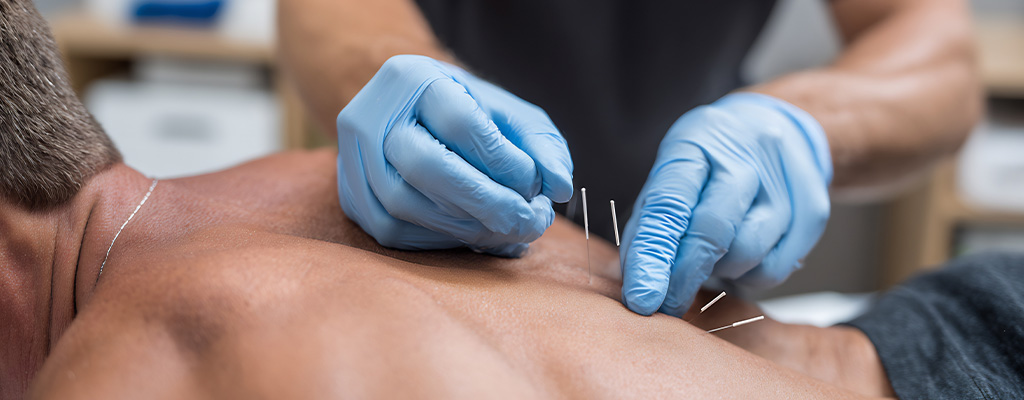
- Dry needling to help manage pain and ease localized muscle tension
- Rotator cuff and scapular exercises to improve shoulder control
- Activity modifications to reduce irritation during daily tasks

Why Patient Participation Matters
As you can see, our treatment plans are comprehensive. However, patients who achieve good results often share several habits beyond visiting us once or twice a week.
1. They Stick To Their Home Exercise Program
A home exercise program (HEP) is a personalized set of simple exercises that we ask you to complete between visits. Keeping up with it is one of the best ways to see steady improvement in strength, mobility, balance, and overall function.
A HEP is not a high-intensity workout. In fact, they often consist of the kind of exercises you can easily do in front of the TV. For example, someone recovering from knee replacement surgery might perform stretching exercises to improve mobility, while our shoulder pain patient might perform a set of simple shoulder stabilization drills.
A word of advice: don’t slack off on your HEP just because your pain decreases! The exercises are designed to improve your function, so pulling back early can slow progress or increase your risk of reinjury.
2. They Communicate Openly With Their PT
Sometimes, patients avoid mentioning concerns because they don’t want to complain. However, we want to hear how you’re doing! Open communication lets us know if your program is progressing as expected or if we need to switch things up.
Feel free to share:
- Whether home exercises feel manageable
- Which activities increase symptoms
- Which exercises feel difficult
- Whether pain changes during the week
- If swelling or stiffness increases
3. They Celebrate Every Win
Different injuries require different recovery periods. A minor injury might heal within a few weeks. More serious ones can take months and often progress in stages.
Patients who see good outcomes learn to celebrate those small victories. For example, knee replacement rehab can take several months of dedicated work. But you can expect to see progress, even if it arrives bit by bit.
The first step might be straightening your knee. The next might be walking longer distances, and then walking up stairs. Eventually, you’ll be able to return to your favorite activities.
When you celebrate your first victory as much as the final one, you’ll often see better long-term results.
Ready to Take the Next Step?
The Back in the Game Physical Therapy team is here to help you recover from injury and get back to the activities that matter most. However, we can’t do it alone. You are the crucial piece in the puzzle! To learn more about our approach, schedule an appointment with us today.
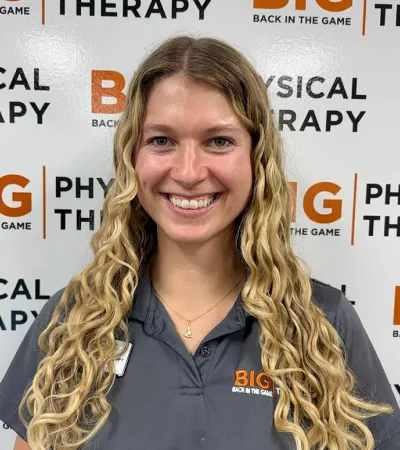
Victoria
PT, DPT
Victoria earned her Doctorate in Physical Therapy from Cleveland State University in 2025 after completing her undergraduate degree in Exercise Science at the University of North Georgia.
Her passion for helping others improve their function, mobility, and overall quality of life led her to pursue a career in physical therapy. Victoria values building meaningful relationships with her patients and is dedicated to helping individuals of all ages and diagnoses achieve their personal goals.
While she especially enjoys working with the pediatric population, she is passionate about creating individualized care plans that support each patient’s unique journey.
- University of North Georgia
- B.S. Exercise Science
- Cleveland State University
- Doctor of Physical Therapy
- Pediatric Physical Therapy
- Functional Mobility
- Individualized Care
- Patient Goal Achievement
- Spending Time Outdoors
- Staying Active
- Traveling
- Trying New Activities
Patient Success
“Back in the Game (BIG) Physical Therapy is a great place to receive ortho care. Their staff are highly qualified. They are very interested in my personal improvement. They manage to assist everyone at the practice at the same time. The equipment is in very good shape. I am so pleased with their services!”
– Suzanne
“I’m at the beginning of my PT journey. I am progressing very well due to the high quality therapists working there. This is a great place for working through the pain and discomfort and acquiring a “can do” attitude toward healing!”
– Karen
Leave a ReviewWe’re Hiring – Join Our Team!

Are you passionate about helping patients get back in the game? We’re growing and looking for dedicated physical therapists and team members to join us.
If you—or someone you know—are interested in building a rewarding career in a supportive, patient-focused environment, we’d love to connect.
Know a great PT? Share this newsletter with the physical therapists in your life and help us spread the word!
View Open PositionsModified Piriformis Stretch
How to Do It
Start by lying on the ground with your knees bent and feet flat on the floor. Cross one ankle over the opposite knee and gently apply pressure to the top knee to deepen the stretch. Hold for 30 seconds, then slowly lower your leg back to the floor and repeat on the other side.

Berry Banana Overnight Oats
Start your morning with a nutritious, grab-and-go breakfast packed with fiber, protein, and antioxidants. These overnight oats are easy to prepare and perfect for busy summer mornings.
Ingredients
- 1 cup old-fashioned rolled oats
- 1 cup milk of choice
- 1/2 cup plain Greek yogurt
- 1 ripe banana, mashed
- 1/2 cup mixed berries
- 1 tbsp chia seeds
- 1 tbsp honey or maple syrup (optional)
- Pinch of cinnamon
Instructions
- In a bowl or mason jar, combine oats, milk, Greek yogurt, mashed banana, chia seeds, and cinnamon.
- Stir well until all ingredients are evenly mixed.
- Fold in half of the berries.
- Cover and refrigerate overnight or for at least 6 hours.
- Before serving, top with the remaining berries and a drizzle of honey if desired.