A Deep Dive into Regenerative Therapies
When you’re dealing with ongoing pain, a slow recovery, or persistent injuries, it’s easy to feel frustrated, especially if you’ve been keeping up with your physical therapy exercises. However, the problem isn’t you or your body! Your body can heal. But sometimes the natural healing process stalls, and it needs a little boost.
That’s where regenerative therapies like dry needling, laser therapy, and shockwave therapy can come in. We offer all three here at Back in the Game Physical Therapy, and all three can help support healing at a deeper level by working with your body’s natural processes to reduce pain and improve function.
Understanding Regenerative Therapies
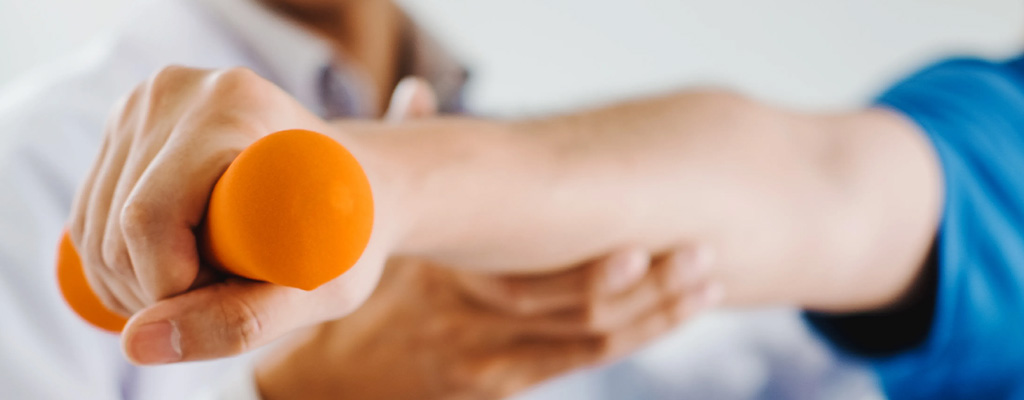
Physical therapy takes a movement-based approach to healing, using techniques such as movement retraining, mobility work, and strength building to repair damaged tissue and help you avoid further injury.
Regenerative therapies are a perfect complement to this process. They stimulate the body’s natural healing process and encourage tissue repair at the cellular level by:
- Promoting blood flow, which delivers much-needed nutrients to the affected area
- Reducing pain signals so you can more easily participate in PT exercises
- Stimulating tissue repair so you maximize the rehabilitation process
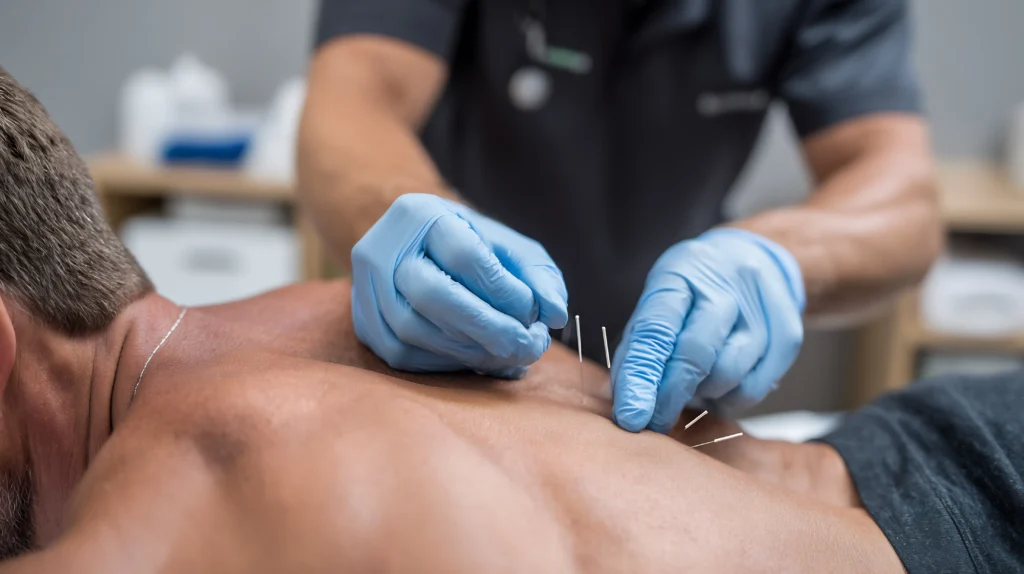
A Closer Look at Three Regenerative Therapies We Offer at Back in the Game Physical Therapy
Dry Needling:
Targeting Muscle Pain at the Source
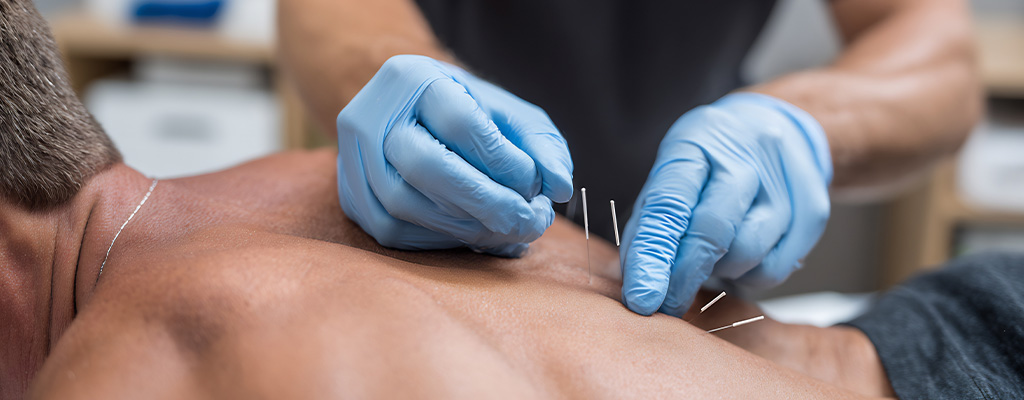
Sometimes, persistent pain and movement restrictions develop due to trigger points–tight knots in your body’s muscles and connective tissue. Dry needling uses a thin, sterile needle to break up these trigger points, helping to:
- Reduce muscle tightness
- Improve range of motion
- Decrease pain signals from irritated tissue
- Increase local blood flow
Why Do We Use Dry Needling?
Dry needling can provide acute pain relief, making it easier for you to move during exercise. And without the restriction caused by trigger points, it can be easier for you to restore strength and mobility.
Class IV Laser Therapy:
Stimulating Healing at the Cellular Level
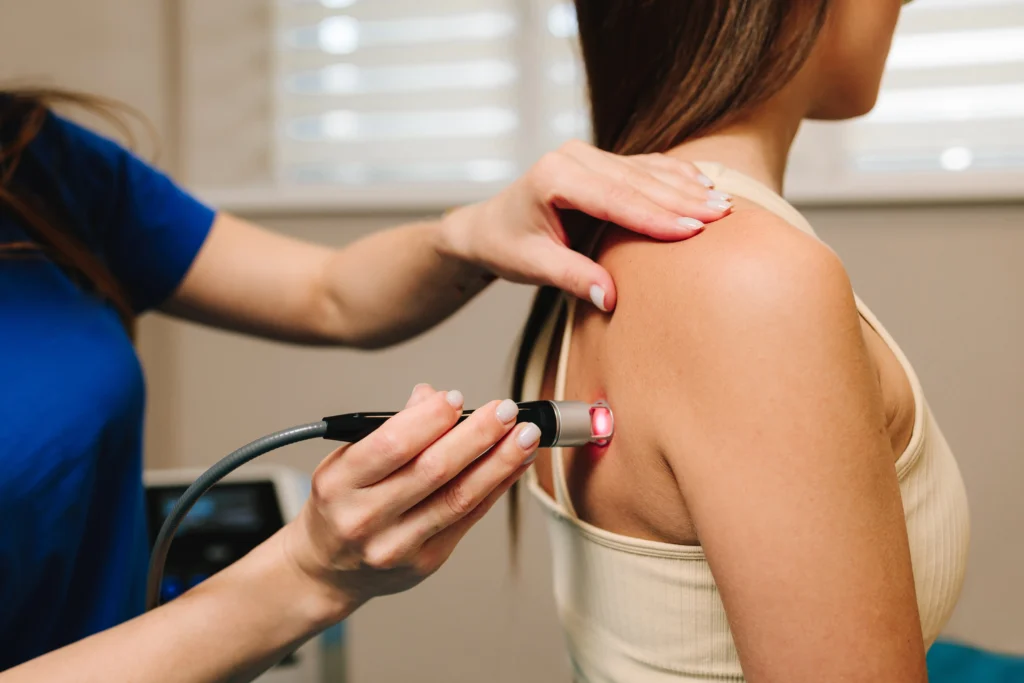
Class IV laser therapy uses targeted light energy to stimulate cells. The light energy is delivered over the skin of the affected area using a specialized wand, making laser therapy simple and noninvasive.
How does it work? The laser delivers energy deep into your affected tissues, where cells absorb it and increase their activity, helping the tissue repair more easily. This can also help reduce inflammation and the pain signals sent to the brain, helping patients feel relief faster.
Why Do We Use Class IV Laser Therapy?
Laser therapy helps calm irritated tissues so you can tolerate movement and exercise more easily. Your body works on healing itself while you work on building strength and function.
Shockwave Therapy:
Restarting the Healing Process
Shockwave therapy uses acoustic waves to treat injured tissue. Like laser therapy, acoustic waves are delivered to the affected area through the skin.
The actual process works a little differently, however. Those acoustic waves create controlled stress in the affected area, helping to restart any stalled healing processes. This makes shockwave therapy ideal for stubborn pain conditions like tendinopathy or plantar fasciitis.
These kinds of chronic conditions often lack adequate blood flow and cellular activity, which is why they stick around. Shockwave therapy helps change that. It can also stimulate the production of collagen, a key tissue-building protein, while breaking down calcifications and scar tissue.
Why Do We Use Shockwave Therapy?
We generally recommend shockwave therapy for persistent injuries. Most of our patients notice a gradual return to function as their tissue quality improves, and of course, exercise reinforces these changes for better long-term outcomes.
The Benefits of a Comprehensive Approach
Each of these regenerative therapies supports a different aspect of the healing process, and our team will perform a detailed assessment to let you know which ones will best suit your needs.
We also don’t generally offer these treatments in isolation. Instead, we pair them with manual therapy, strength training, and other movement exercises, which help build lasting strength and reduce the risk of reinjury.
Ultimately, our goal is to make your rehab process as efficient as possible!
Experience The BIG Difference with Regenerative Therapies
There’s no denying that pain and limited movement affect day-to-day life, but the right treatment plan can help you take control of your recovery. At Back in the Game Physical Therapy, we regularly incorporate advanced therapies into our treatment plans to support healing and improve outcomes. To learn more about our approach, schedule an appointment today.
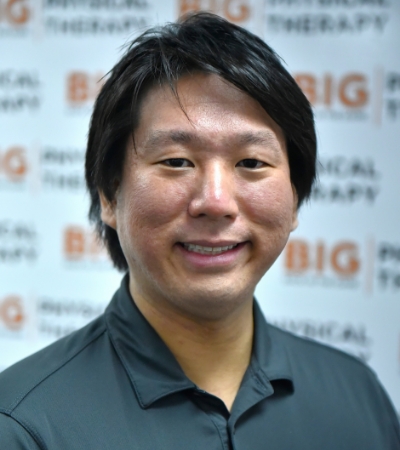
Jason Kawamura
PT, DPT · Clinic Director
Jason graduated from Georgia State University with his Doctorate in Physical Therapy in 2018. He specializes in orthopedics and enjoys practicing in the outpatient setting, especially treating sports injuries, chronic pain, post-surgical conditions, and dizziness.
In his free time, Jason enjoys playing the violin, hiking with his family, martial arts, and following sports—especially football and hockey. He is also actively involved in his church.
- Dizziness
- Sports injuries
- Post-surgical conditions
- Dry Needling
- Spinal Manipulation
- Champion Performance Specialist (C-PS)
- Georgia Tech
- Georgia State University, DPT
Patient Success
“I had a total knee replacement on June 12 and chose BIG after reading the positive reviews online. Living with a rare condition (EDS), I was anxious, since many healthcare professionals only know it superficially.
From my first visit with Austin Pearson on June 16, I felt reassured. He is not only kind and attentive, but also very skilled and knowledgeable. He listens, adapts treatment to my needs, and knows what is safe for someone with a pacemaker.
Over the weeks, I saw real progress thanks to his care. The entire team at BIG is also wonderful—polite, cheerful, and always ready to help.
I’m truly grateful I chose BIG.”
– Jojo
Leave a ReviewWe’re Hiring – Join Our Team!

Are you passionate about helping patients get back in the game? We’re growing and looking for dedicated physical therapists and team members to join us.
If you—or someone you know—are interested in building a rewarding career in a supportive, patient-focused environment, we’d love to connect.
Know a great PT? Share this newsletter with the physical therapists in your life and help us spread the word!
View Open PositionsShoulder Extension Side Lying (Shoulders)
How to Do It
Lie on your side with a pillow supporting your head. Put a towel under your elbow with your arm bent. Rotate your arm up. Pause briefly, then return to the starting position.

Grilled Chicken & Sweet Potato Bowl
A balanced, protein-packed meal designed to support muscle recovery, reduce inflammation, and keep your energy steady throughout the day.
Ingredients
- 2 boneless chicken breasts
- 2 medium sweet potatoes, cubed
- 1 cup broccoli florets
- 1/2 avocado, sliced
- 1 tbsp olive oil
- 1 tsp paprika
- 1/2 tsp garlic powder
- Salt & pepper to taste
Instructions
- Preheat oven to 400°F. Toss sweet potatoes with olive oil, salt, and pepper, then roast for 20–25 minutes.
- Season chicken with paprika, garlic powder, salt, and pepper.
- Grill or pan-cook chicken for 6–7 minutes per side until fully cooked.
- Steam or sauté broccoli until tender.
- Assemble bowls with sweet potatoes, chicken, broccoli, and avocado.