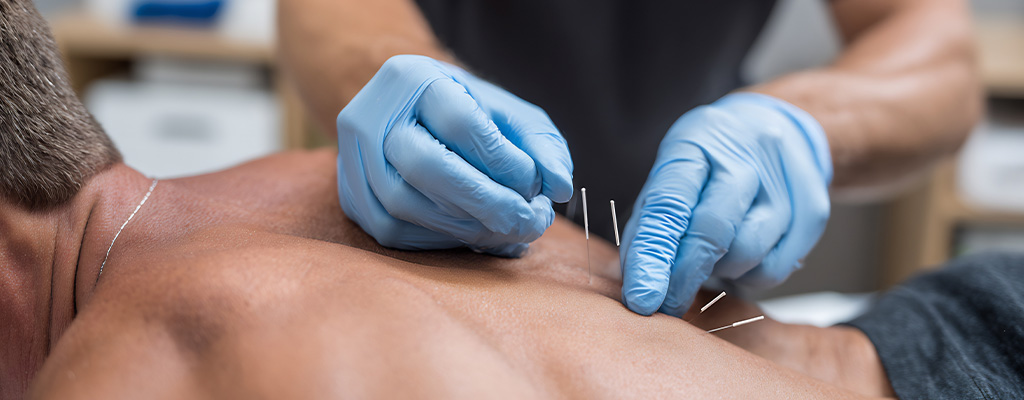
Why Physical Therapy Doesn’t End When You Leave the Clinic
Many Back in the Game Physical Therapy patients assume the most important part of their rehab is the time they spend in the clinic working with our physical therapists. And don’t get us wrong: those guided, structured sessions definitely form the foundation for your recovery.
However, that recovery doesn’t just happen within our clinic walls. In fact, your outcomes depend just as much on what you do between visits, which is why we prescribe home exercise programs to supplement your clinic care. Together, this combination of in-clinic treatments and at-home exercises will help you see the results you’re looking for.

More About Home Exercise Programs
Just like your in-clinic treatment plan, a home exercise program (HEP) is designed to match your specific condition, goals, and ability. Our physical therapists also adjust these exercises over time as your body heals.
A HEP typically includes:
- Targeted stretches to improve joint mobility
- Strength exercises to support muscles and protect joints
- Movement drills to retrain balance and coordination
- Simple pain management strategies, such as position changes or activity pacing

Why Home Exercises Matter for Recovery
The body changes through repetition and consistency. When you only perform prescribed exercise two or three times a week at our clinic, you risk limiting your progress.
Home exercises reinforce the movement patterns you learn during your sessions and help you gradually build strength and improve mobility through repeated, daily effort. They can also help prevent setbacks caused by prolonged inactivity, enabling you to improve more efficiently and achieve better long-term outcomes.
The Importance of Combining Clinic Care and Home Exercises
Clinic care and home exercises each play a distinct role in recovery.
Our physical therapists use in-clinic sessions to guide movement, apply hands-on treatment, and correct form, creating the foundation for safe and effective progress.
Home exercises build on that foundation through repetition. You’ll perform targeted movements daily, helping to strengthen muscles and improve mobility over time. Consistent effort at home keeps the body moving and prevents stiffness between visits.
As a result, your body will have an easier time healing, adapting, and functioning in the long term.
Three Examples of What This Looks Like in Real Life
1. Low Back Pain
Low back pain often develops from weak core muscles, stiff joints, or poor movement patterns.
In-Clinic Treatment
- Manual therapy to improve spinal mobility
- Core stabilization exercises with supervision
- Education on posture and lifting mechanics
At-Home Exercises
- Core strengthening exercises, such as bridges or abdominal bracing
- Gentle mobility drills for the spine and hips
- Walking or light aerobic activity
How They Work Together
Our therapist improves joint movement and teaches proper muscle activation, with the patient repeating these patterns at home. Daily practice builds strength and improves the spine’s ability to handle the demands of daily life, leading to better long-term results.
2. Rotator Cuff Injury
The rotator cuff includes muscles that stabilize the shoulder. Injury can cause pain with lifting or reaching.
In-Clinic Treatment
- Manual therapy to reduce stiffness
- Guided strengthening for shoulder stability
- Movement retraining to improve mechanics
At-Home Exercises
- Resistance band exercises for the shoulder muscles
- Range-of-motion drills to maintain shoulder mobility
- Posture work to reduce strain
How They Work Together
Our therapist restores proper shoulder movement and teaches correct form. Home exercises strengthen the muscles that support the joint, helping to improve function and reduce irritation.
3. Knee Pain After Surgery
Post-surgical knees often feel stiff, weak, and unstable.
In-Clinic Treatment
- Range-of-motion work to restore bending and straightening
- Strength training for the muscles that support the knee
- Gait training to improve walking mechanics
At-Home Exercises
- Heel slides to improve knee motion
- Straight leg raises to build strength
- Sit-to-stand exercises for daily function
How They Work Together
Our therapist helps restore motion and guides safe progression, while the patient builds strength and confidence through daily repetition. This combination improves walking, balance, and overall function.
At Home Or In the Clinic, We’ll Get You Where You Need To Be
Your clinic sessions are important, but physical therapy does not end when a session finishes. Your progress depends on what you do between visits. Our team at Back in the Game Physical Therapy builds clear, personalized plans that fit your daily life. Schedule an appointment today and learn how the right combination of in-clinic care and home exercises can help you move better and stay active.
Staff Spotlight:
Lilly Khokhlan PT, DPT
Lilly earned both her Bachelor of Science in Exercise and Sport Science and her Doctorate in Physical Therapy from Georgia State University. Her decision to pursue physical therapy stems from a deep-rooted desire to help others live fuller, more active lives. She finds fulfillment in building meaningful relationships with her patients and guiding them through personalized treatment plans that promote independence, confidence, and improved functional mobility.
Born and raised in Loganville, Georgia, Lilly recently planted new roots in Flowery Branch. She values a strong sense of community and is excited to bring her compassionate, patient-first approach to her new hometown.
Outside of the clinic, Lilly enjoys staying active—whether it’s working out, going for a walk, or trying a new fitness class. She also loves spending quality time with her loved ones and considers chips and salsa at a local Mexican restaurant the ultimate weekend treat.

We’re Hiring – Join Our Team!
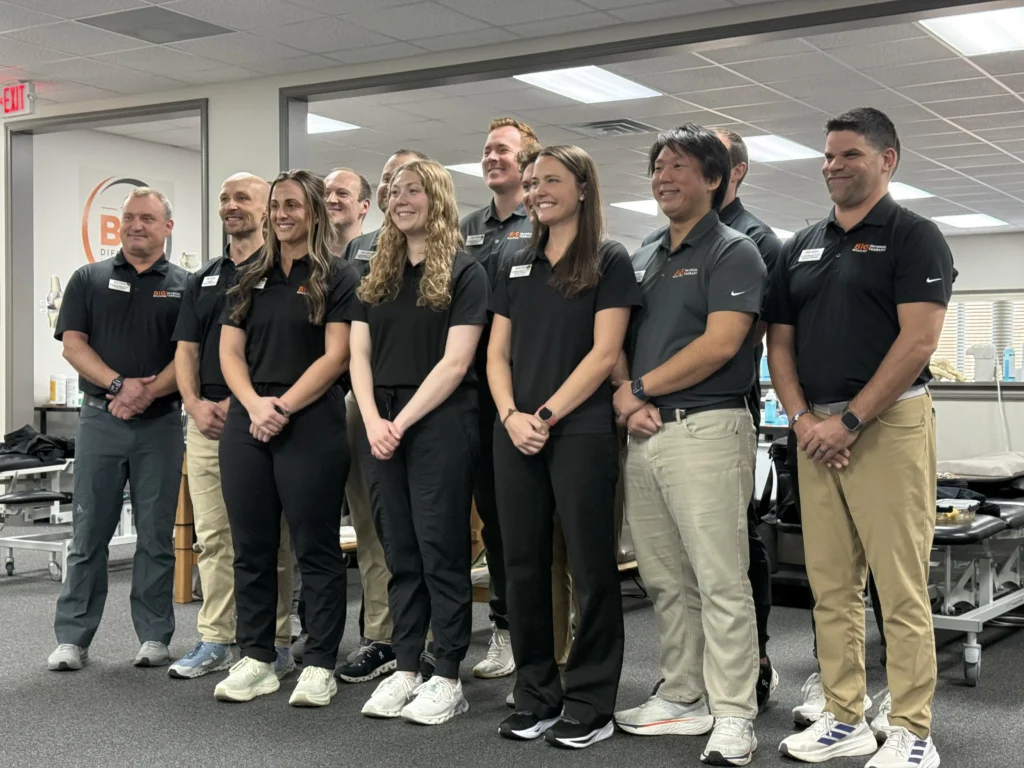
Are you passionate about helping patients get back in the game? We’re growing and looking for dedicated Physical Therapists and team members to join us! If you—or someone you know—are interested in building a rewarding career in a supportive, patient-focused environment, we’d love to connect. Know a great PT? Share this newsletter with the Physical Therapists in your life and help us spread the word!
Patient Success
“I am very satisfied with my care at Back in the Game Physical Therapy in Dacula. Trey is awesome, he attends to my needs and really listens to me as to how I am feeling. He also knows when to push me and when to hold off.” – Laurie
Exercise of the Month
LOWER TRUNK ROTATIONS
- Start by lying face up on the floor with your knees bent.
- Allow your knees to slowly drop to one side.
- Your lower back should rotate, but your shoulders should stay flat on the ground.
- Hold for 30 seconds.
- Bring your knees back up and then drop them to the opposite side.
- 2 Sets, 2 Reps.
Recipe of the Month: Chicken Caesar Wrap

Ingredients:
For the Toasty Panko Croutons
- ½ cup panko bread crumbs
- 2 tablespoons olive oil
- 1 tablespoon butter
- ½ teaspoon kosher salt
- ½ teaspoon freshly cracked black pepper
Tahini Caesar Dressing
- ⅓ cup tahini
- 3 tablespoons fresh lemon juice
- 1 tablespoon olive oil
- 3 cloves garlic roughly chopped
- 2 tablespoons water
- kosher salt
For the Wrap
- 1 bunch Tuscan kale ribs removed and shredded
- 1 whole romaine heart shredded
- 3 tablespoons Everything but the Bagel Seasoning
- 2 ripe avocados cut into large wedges
- 2 chicken breasts seasoned with salt and pepper and grilled
- 4 tortillas
Instructions:
- Place the olive oil and butter in a small skillet over medium high heat. Add the panko and toast until golden. Season with salt and pepper and set aside.
- Combine the ingredients for the Tahini Caesar Dressing in a small blender and set aside.
- Combine the shredded kale and lettuce in a large bowl. Drizzle a few tablespoons of the dressing along with the toasted panko, the everything seasoning and the chopped grilled chicken. Toss to combine. Taste and adjust seasoning and dressing.
- Place a heaping portion into 2 tortillas and wrap and roll. Slice on a diagonal and serve.